
Impostor syndrome and the value anchor
When an artist doubts their prices, it is often because they weigh only hours of work or material costs (brushes, canvas, pigments).
For a collector or buyer, though, price does not reflect production cost alone—it reflects security, trajectory, and the documentation of the piece.
Presenting a work with a clear technical record, a transparent history, and a certificate of authenticity reduces the sense of improvisation and supports the economic value you set. The price stops looking like an arbitrary number and starts reading as part of a professional proposal.

Three documentary pillars that justify your artwork price
- An impeccable technical record: Detailing materials, processes, and dimensions shows the rigor of your studio practice.
- Provenance and a registered catalog: A public history accessible in an art catalog shows the piece belongs to a coherent body of work, not an isolated event.
- Proof of originality: Including an unalterable physical seal indicates the buyer acquires a piece with consultable traceability—not only an attractive image.
These pillars do not set the price for you, but they give you concrete arguments when someone asks why that work costs what it costs.
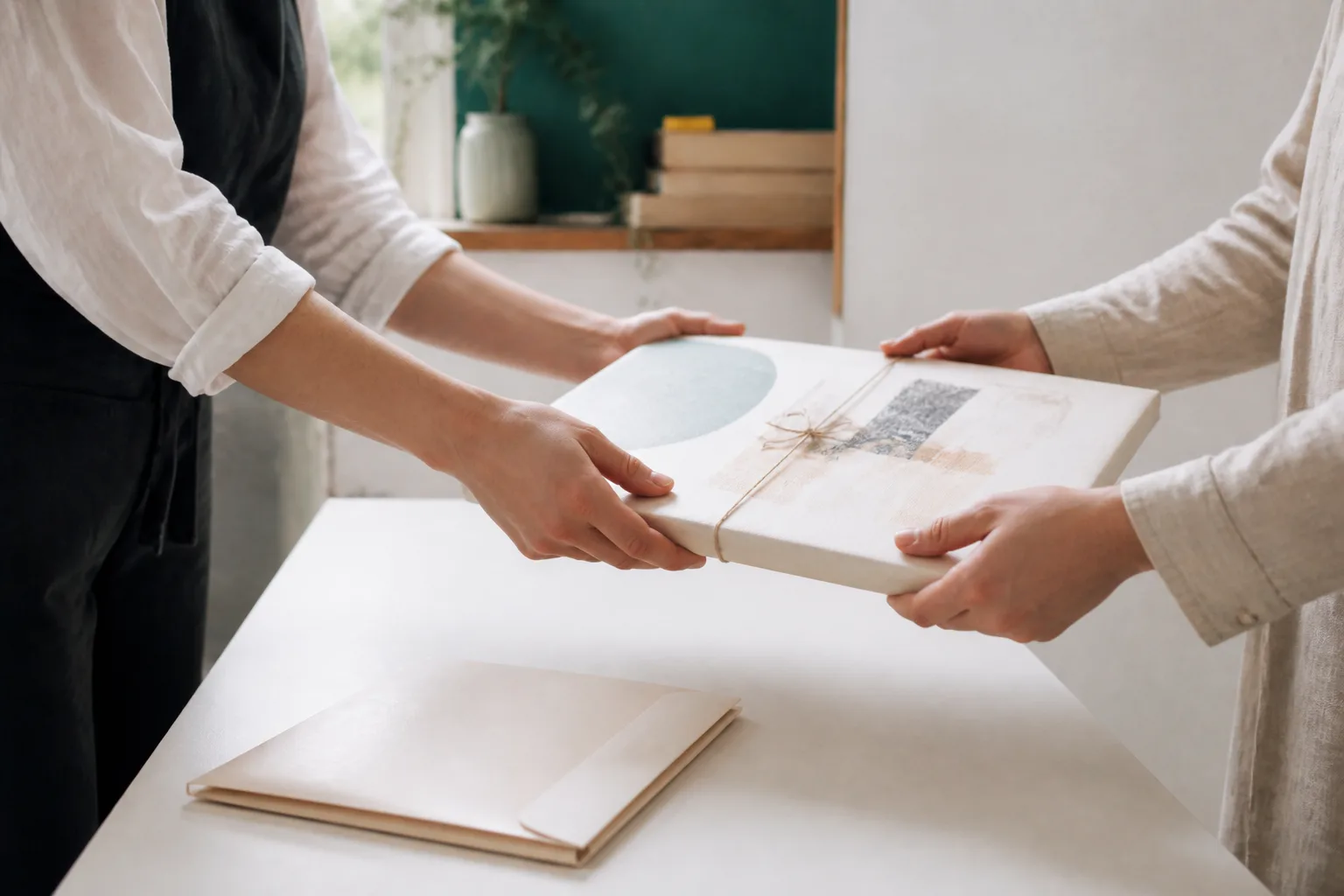
Transparency that builds trust in the sale
Art buyers rarely look to haggle when the transaction feels professional and secure.
When you show works with transparent prices and documentation ready to consult via a link or QR code, the conversation moves from “why does this cost this?” to “how do I reserve it?”
Protecting your work is also protecting your right to charge what your art is worth in the context of your trajectory, your market, and the quality of the documentation you deliver. See the certificate as artwork ID.
When the buyer can consult the record, the numbering (if any), and the certificate without five follow-up emails, the price feels part of a serious process. That lower friction changes the tone of negotiation.
Common mistakes when justifying a price
Avoid these habitual failures that weaken your position with the buyer:
- Talking only about hours and materials. Production cost matters, but collectors also value authorship, rarity, finish, and documentary security.
- Improvising the record at the moment of sale. Filling data at the last minute signals urgency and lack of method.
- Dropping the price without explaining the change. A discount without context erodes perceived value; better to justify conditions (series, format, career moment).
- Omitting the certificate or provenance. Without documentary identity, the price looks more debatable and harder to defend on a future resale.
- Comparing yourself only to other prices on social media. Use market references with judgment, but anchor your figure in your own archive: records, editions, and pieces already sold or exhibited.
Fixing these points does not guarantee a sale, but it does help your price stand with more clarity. The easier it is to verify record, provenance, and certificate, the less you have to “defend” the figure with improvised arguments.
Related articles
Frequently asked questions about pricing and art valuation
How do copyright and authorship affect valuation?
Authorship rights belong to the artist by law from creation. Documenting authorship with a registered certificate helps protect the commercial value of the work against misuse or provenance confusion.
Should I always publish prices in my digital catalog?
You can choose to show prices publicly or keep them private on request. What matters is that the artwork record is ready and documented to send as soon as a buyer asks.
Support the economic value of your pieces
Create technical records and certificates that signal professional rigor to your buyers.