
Home / Guide
How to protect your artwork from forgeries and build a professional catalog
A practical guide for independent artists: organize your archive, document each piece, and certify only what matters.
Updated: August 8, 2026
The real problem for independent artists
If you work alone or with little support, your art often lives in three places at once: the studio, your phone, and your memory. Unsorted photos, loose PDFs, invoices in email, dimensions that change from one sheet to another. When a gallery, a buyer, or an inheritance arrives, that scatter becomes friction—and sometimes doubt about the piece's provenance.
Protecting a work is not only about “avoiding copies.” It is being able to show what it is, who made it, when it was documented, and what information travels with it.
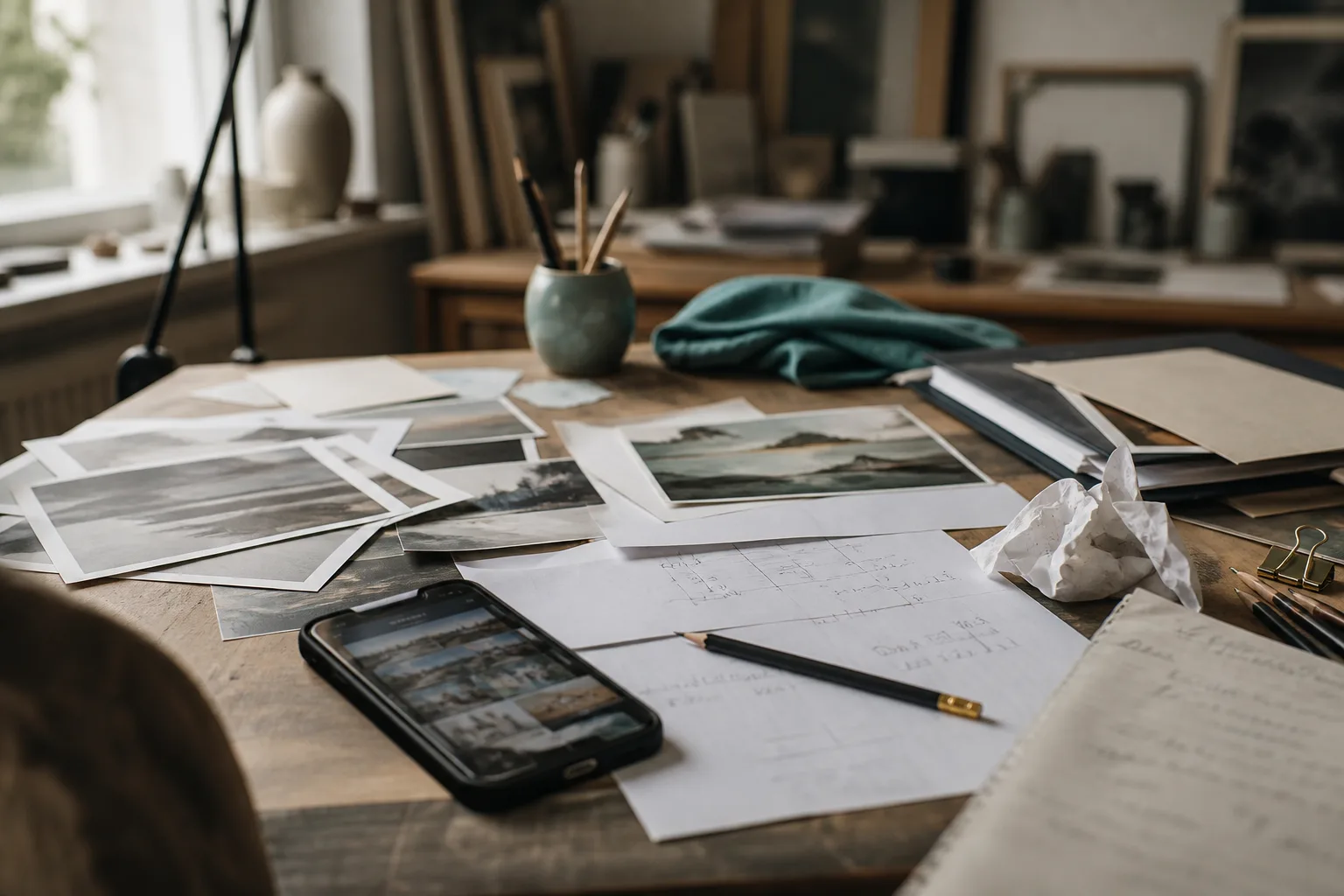
Common risks
- Incomplete or inconsistent documentation across pieces in the same catalog.
- Paper certificates that are easy to lose, photocopy, or detach from the piece.
- Sales or transfers without a clear history that follows the work.
- Editions or series without numbering or explainable traceability.
- Dependence on third parties to “validate” something the artist should be able to show.
None of these scenarios requires a law firm on day one. They do require a simple, verifiable system.
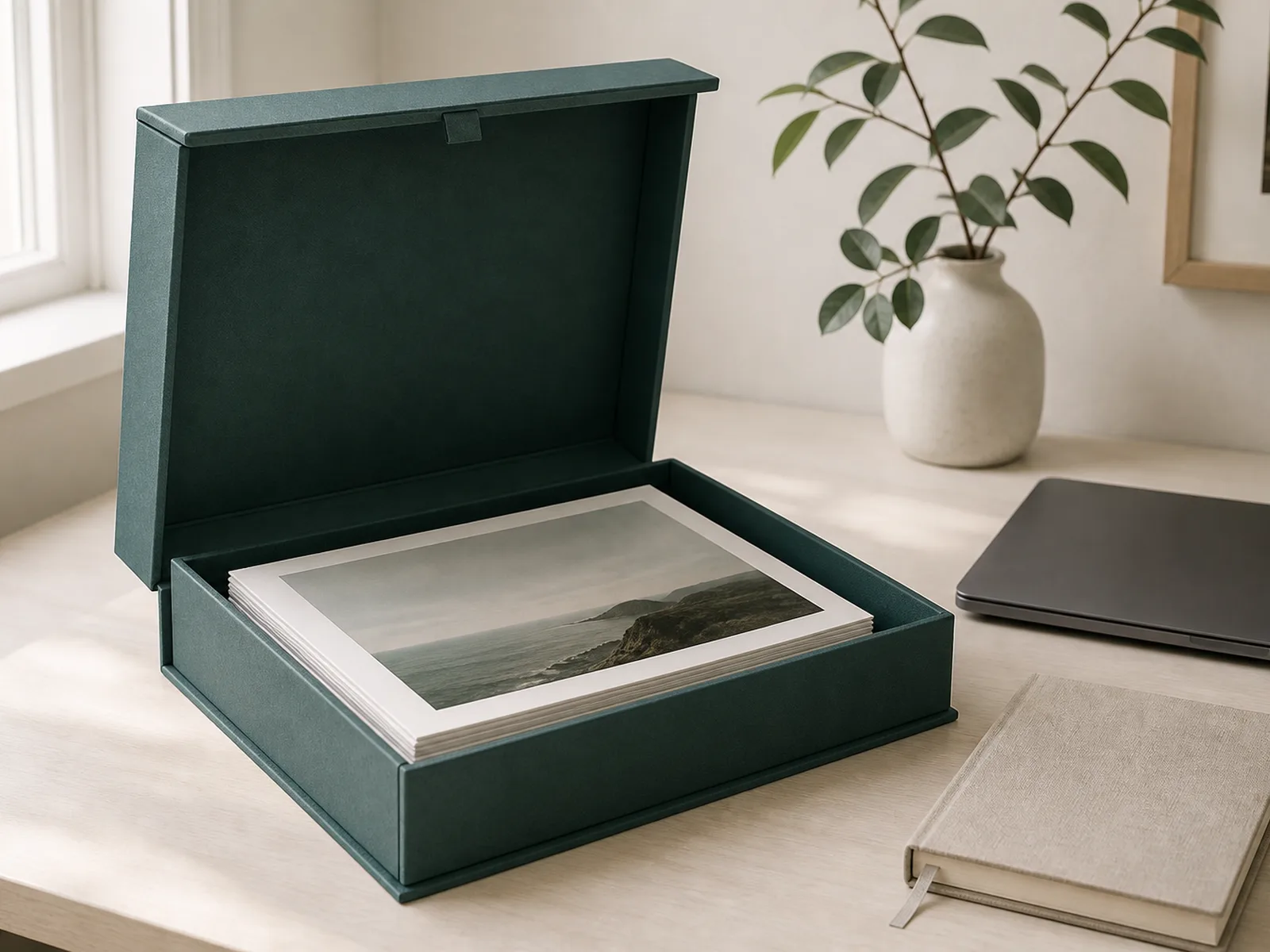
The professional catalog as the foundation
Before you look up how to make a certificate of authenticity, get organized. A useful catalog has, at minimum:
- Clear identification of each work (title, technique, dimensions, year).
- Representative images.
- Context you choose to share (process, exhibition, notes).
- Consistent standards across sheets (same categories, same level of detail).
With Uniiku you can create that catalog for free. The chat helps you write technical sheets from images; it does not appraise or value the work—it only structures the documentation.
Start with a fine art piece you plan to sell, exhibit, or that belongs to a series. Then import the rest at your own pace.
The decision: which works to certify?
You do not need to certify the entire archive. It makes more sense to protect:
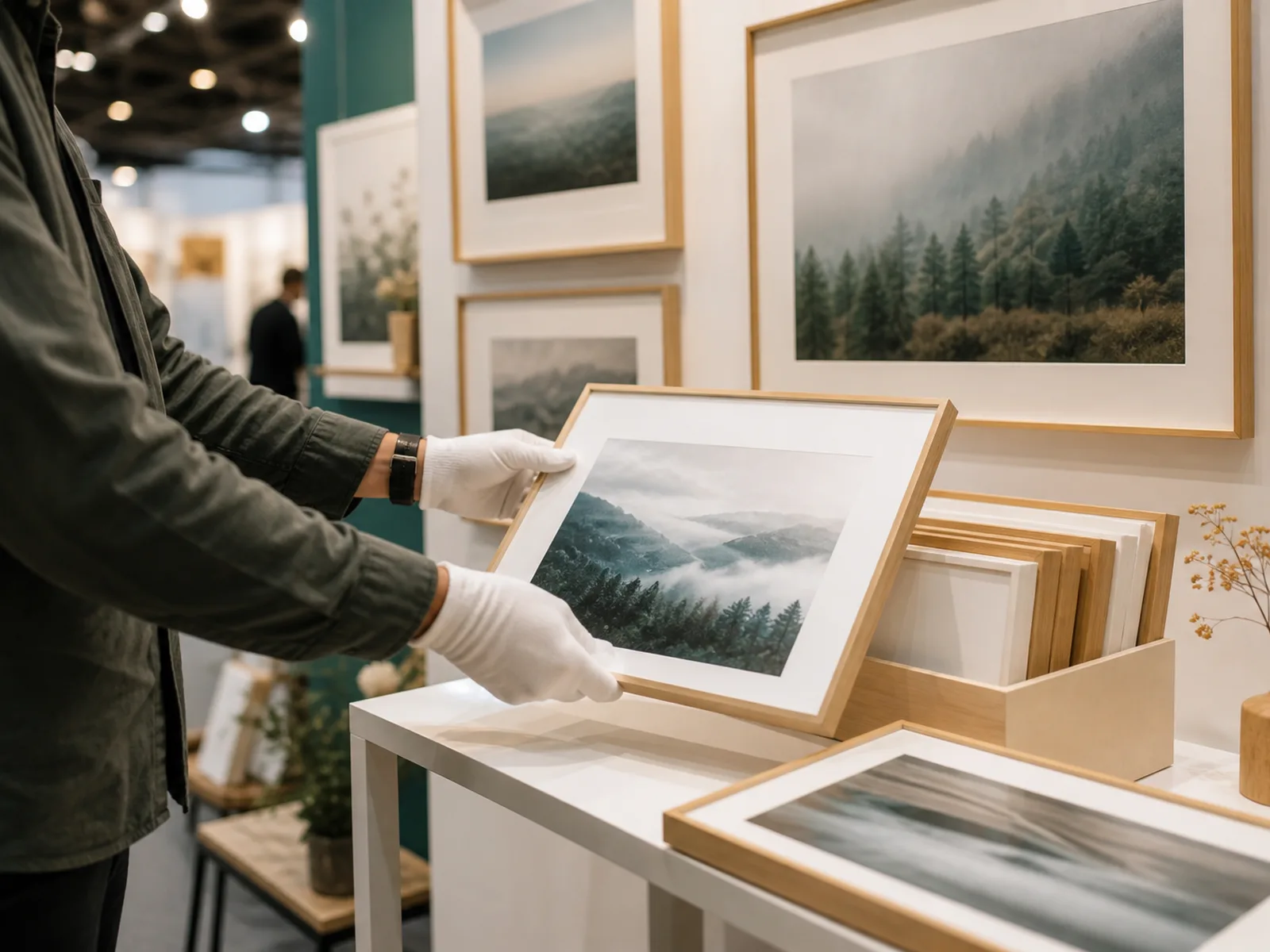
- Pieces going to sale or to a fair.
- Works of higher economic or symbolic value.
- Limited editions where traceability matters.
- Works that will travel or change hands.
Everything else can live in the digital catalog until you need it.
The physical–digital connection
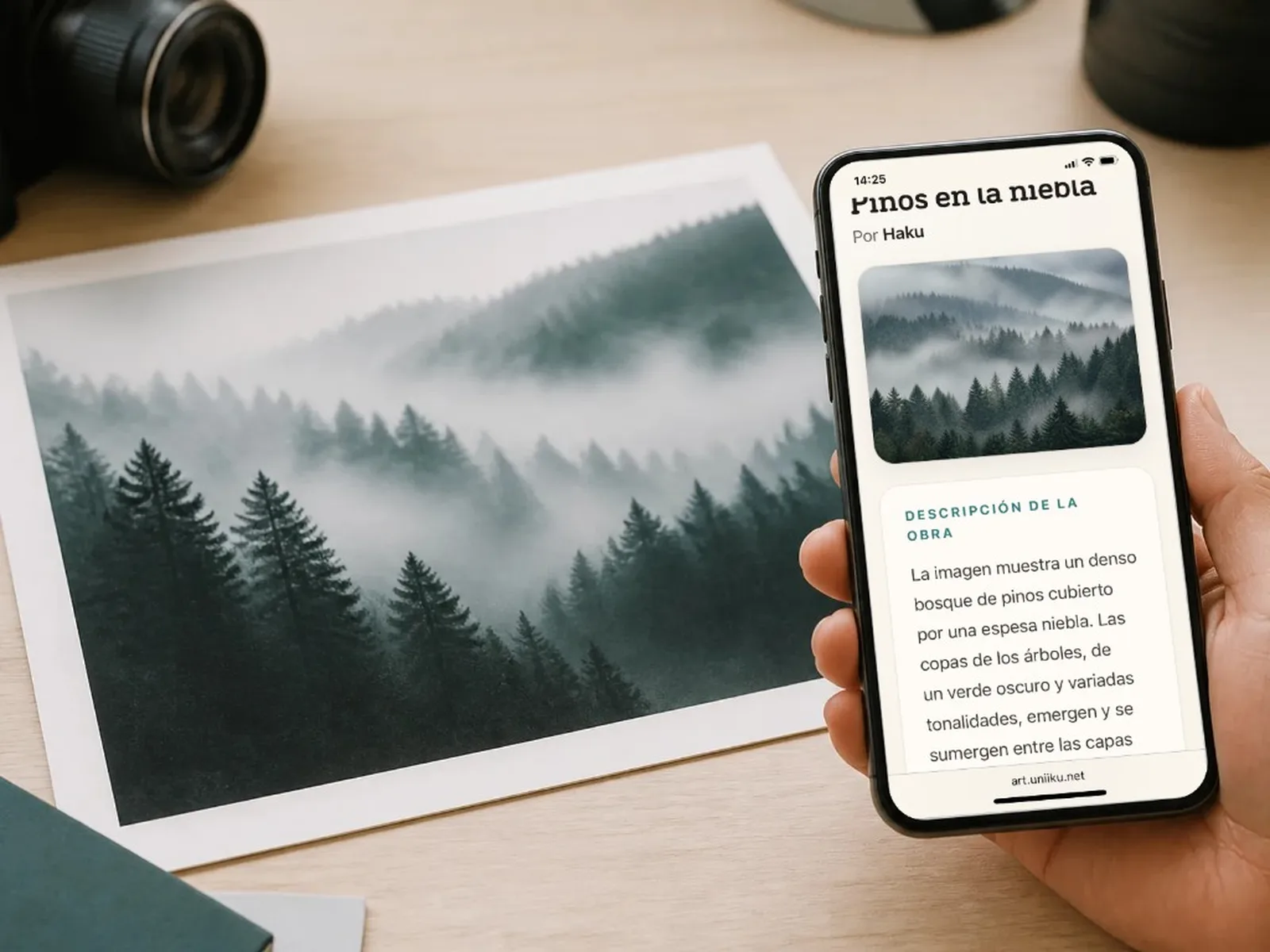
A Uniiku seal is a unique, non-transferable physical label linked to a specific work in your catalog. Scanning the QR opens the registered information and its verification status.
The information carries a verifiable date; blockchain acts as a notary of integrity, supporting provenance over time—not as marketing.
Place the seal on the work when it is safe for the piece. If conservation advises against it, the seal can go on a paper certificate or another support that accompanies the piece.
Real cases
An artist with years of production prioritized ten recent works from their folders, completed coherent sheets, and certified only three for exhibition. The rest stayed documented and ready for when needed.
Before closing a sale to a collector, the artist documented the piece, linked a seal, and shared verification. The buyer checked authorship and provenance without intermediaries.
In a limited edition, each copy needs clear identification. Catalog + seal per piece lets you explain numbering and traceability without relying on a loose PDF.
Go deeper by discipline and need
Articles for specific questions on certification, market, and conservation:
Certify fine art photography
Conservation paper, giclée prints, and artist's edition control.
Limited editions and 3D
Unalterable edition counting for silkscreen, risography, and 3D printing.
Provenance without a gallery
How to build a solid provenance history for painting and sculpture.
Studio inventory
Leave behind folder chaos and spreadsheet disorder.
The certificate as ID
Why the secondary market expects an unalterable identity for the piece.
Justify your prices
Anchor the economic value of your art with transparency and documentation.
Get your work out of the studio
Share your digital catalog in one click with galleries and buyers.
NFTs vs physical certificates
Why a token does not protect a painting, and how phygital certification works.
QR, NFC, and hologram seals
What each marker covers, and what is not enough to authenticate.
Certificate providers compared
Price, issuer, copy-proof marker, data permanence, and resale.
Printed digital art
Sell numbered physical editions with real artist value.
Human art value and AI
Prove authorship and studio traceability against generative AI.
Certify sculpture and 3D art
Solutions for volumes, bronze, ceramics, and 3D printing.
What to require in a certificate
Essential data checklist for collectors and investors.
FAQ for this guide
It can serve that role, and it can also coexist with traditional certificates. The advantage is permanently linking the work and its documentation in a verifiable way, without depending on third parties to consult the basic information.
No. For you it works as a verifiable timestamp: it proves the data existed on a specific date and has not been altered without leaving a trace.
Certification and history travel with the piece. The new owner can verify by scanning the seal.
Create a record for one artwork in the app. If that piece needs physical protection, buy a seal and link it. For the detailed flow, read how Uniiku works.