
Home / Articles / Limited editions and 3D
Limited edition traceability for prints
Limited editions let you democratize art sales while keeping exclusivity. The hard part is controlling the count and proving that no copies exist outside the declared edition. In printmaking and 3D printing, the matrix or file can generate copies; market trust depends on the traceability of each number.
Updated: August 8, 2026
Limited editions let you democratize art sales while keeping exclusivity. The hard part is controlling the count and proving that no copies exist outside the declared edition. In printmaking and 3D printing, the matrix or file can generate copies; market trust depends on the traceability of each number.
The counting dilemma in series and multiples
In printmaking (screenprint, linocut, woodcut, risograph) and in sculptures produced by 3D printing, the market’s temptation—or suspicion—is always the same: was the matrix or digital pattern really retired after the stated number?
When you mark a piece 5/50, you are making a commitment to the collector. A pencil number alone is easy to forge or clone on secondary copies.
For a limited edition to hold its price on the secondary market, the artist needs a consultable, immutable register for every copy number: a catalog record, a verification seal on the piece, and blockchain as notary of the edition declaration.
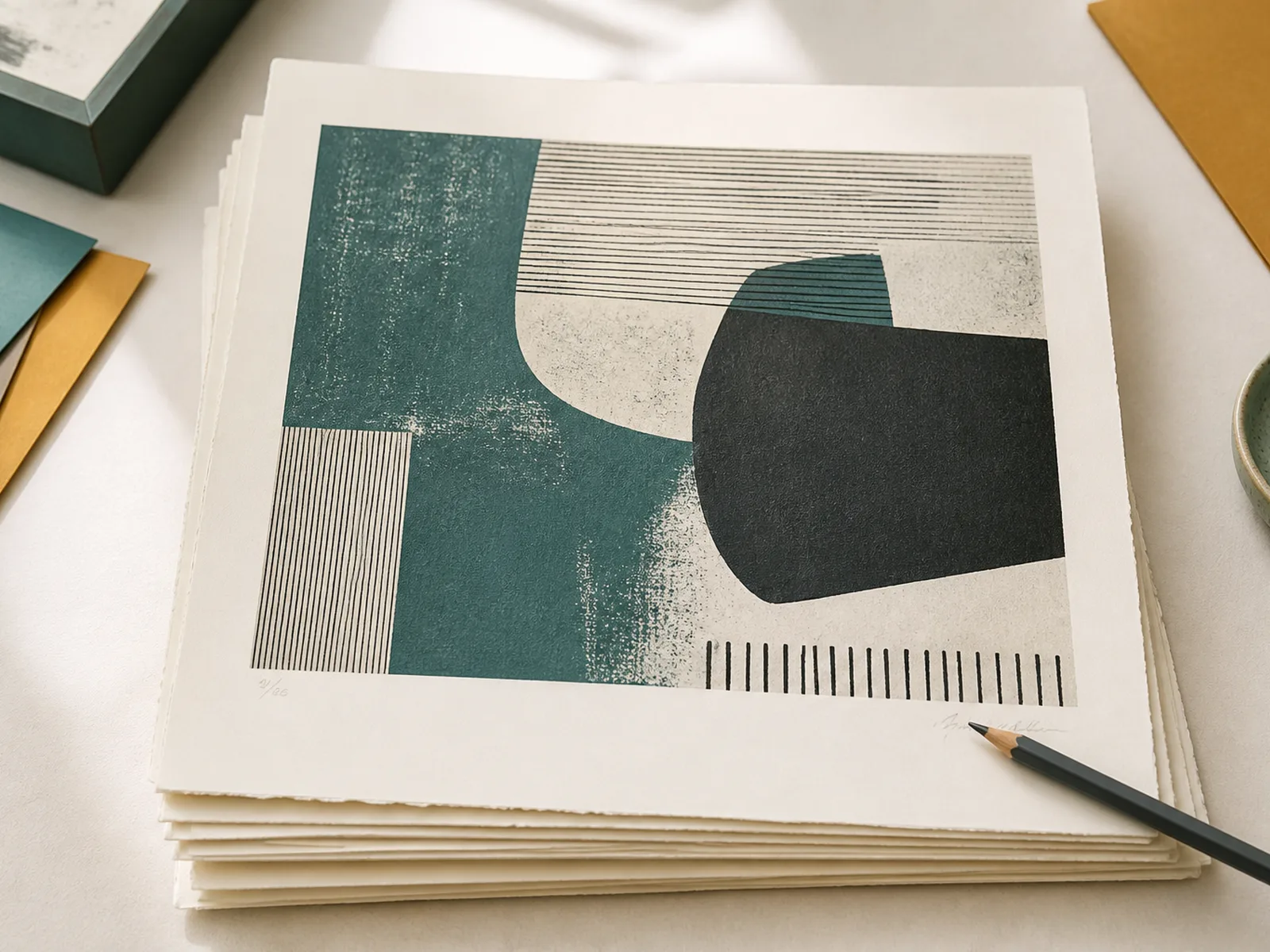
How to document a limited edition step by step
- Register the full edition: Before selling, define in your catalog how many copies the regular edition will have (e.g. 50) and how many Artist’s Proofs (A/P) or Studio Proofs (P/T) will exist.
- Specify the matrix or technique: Note whether the screenprint uses four inks, whether the print is an etching, or whether the 3D sculpture uses photopolymer resin with hand finishing.
- Assign a unique seal per copy: Each physical copy (1/50, 2/50, etc.) receives its own physical seal linked to its specific catalog record.
- Photograph or document each number: A visual record of the copy reduces disputes when two pieces look identical.
- Update commercial status: Available, sold, reserved, or destroyed. A “ghost” number in limbo weakens the whole series.
Checklist by discipline
Screenprint, risograph, and printmaking
- Number of screens/inks or plates.
- Paper type and weight.
- Signature and numbering in the margin or verso.
- Fate of the matrix when the edition closes (stored, destroyed, reused with disclosure).
- Clear separation between regular edition, A/P, and studio proofs.
Digital prints / giclée of graphic work
- Lab or printer, paper, and profile.
- Relationship to the master file (version and date).
- Policy for reprints caused by factory defects.
3D printing and multiples
- Material (resin, PLA, nylon, sintered metal…) and surface finish.
- Scale and final dimensions after post-processing.
- Whether the STL/OBJ file is archived, licensed, or withdrawn from circulation.
- Seal placement: base, internal recess, or accompanying certificate when the piece cannot take a visible adhesive.
Mistakes that destroy trust in an edition
- Hand-numbering without a central register. Pencil in the margin is tradition; without a catalog, there is no audit trail.
- Selling A/Ps without declaring them. Regular-edition collectors need to know how many proofs exist.
- Reopening a “closed” series. If numbers reappear, the market assumes the limit was cosmetic.
- Using one generic certificate for all 50 copies. Verification must point to the specific number.
- Ignoring damaged pieces. If 12/50 is destroyed and not documented, someone may try to “replace” that number without transparency.
- In 3D, confusing the file with the artwork. Author value usually sits in the finished, certified object—not in a shareable STL.
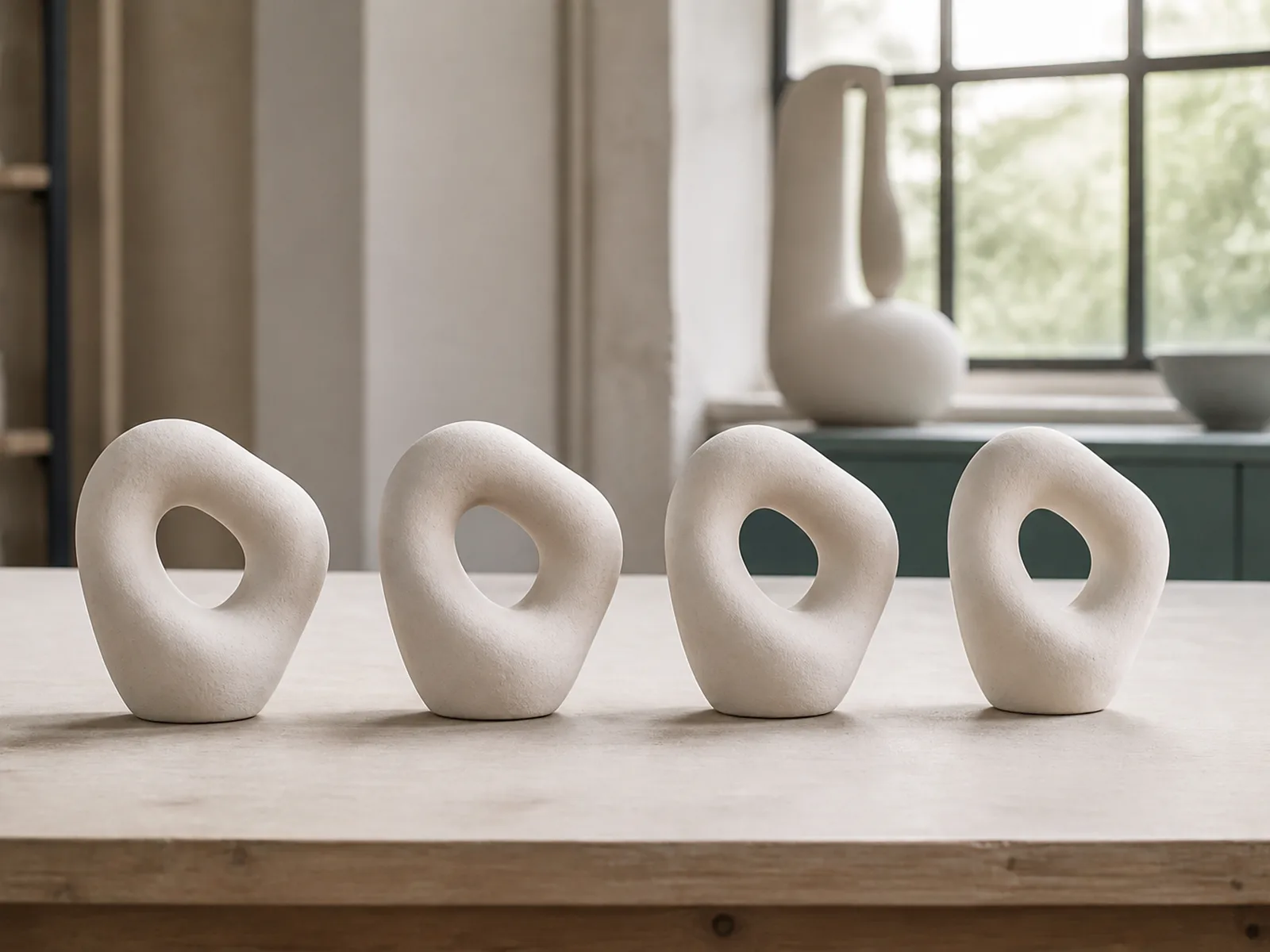
Traceability for 3D printing and physical digital art
3D-printed artworks and design editions need special care. An STL or OBJ file is easy to replicate, but the printed and finished object from the studio is what carries author value.
Placing a Uniiku seal on the base of the 3D piece—or on its accompanying certificate—timestamps production and ties that physical object to the original numbered edition.
That is how you separate an official numbered print finished by the artist from any unauthorized render or print. The catalog declares the series; the seal identifies the copy; public verification lets the buyer check it without intermediaries.
Criteria that protect secondary-market price
A well-documented edition usually meets these criteria:
- Quota declared before selling the first number.
- A unique identifier per copy (seal + record).
- A coherent technical record across copies of the same edition.
- A history of withdrawals or destructions when relevant.
- An unalterable timestamp that prevents rewriting the edition months later.
If a reseller or gallery can answer “yes, it is 14/40 and here is the verification,” the series keeps liquidity. If the answer is “trust the pencil in the margin,” a risk discount appears quickly.
Mini-case: screenprint 22/40 with two owners
Marta editions a three-ink screenprint in an edition of 40. She numbers and signs each copy, but tracks inventory in a studio notebook. Number 22/40 is sold twice by inventory error: once at a fair, once via Instagram. Both buyers have a photo of the numbered margin; neither has an exclusive verifiable register.
With a Uniiku catalog and a seal per copy, 22/40 can exist only once in the system: the second sale would have been blocked by a “sold” status or by detecting that the seal was already assigned. The conflict was not artistic bad faith; it was a lack of operational traceability.
Best practices when closing or expanding series
- If you close the edition before exhausting the quota, record it in the catalog (smaller effective edition).
- If you later want another wave, create a second edition with its own record and numbering; do not reuse 1/40…40/40.
- In 3D printing, document material or scale changes as variants, not as the same number.
- Tell collectors clearly how many A/Ps exist: transparency strengthens the price of the regular edition.
Edition control is operational, not only aesthetic. When status, seal, and catalog record stay aligned, you reduce double sales, ambiguous proofs, and secondary-market doubt—without turning studio practice into bureaucracy.
Related articles
Frequently asked questions about series and editions
Can I certify Artist’s Proofs (A/P) separately?
Yes. In the Uniiku catalog you can classify copies as A/P, studio proof, or regular edition numbers, assigning an independent seal to each.
What if a piece in the series is destroyed or damaged?
You can update the copy’s status in your catalog to withdrawn or destroyed. The prior timestamp still shows the history of that number in the series.
Must I destroy the matrix for the edition to be credible?
Not always mandatory—but you must be transparent. If you keep the matrix or 3D file, declare it on the record and explain under what conditions it will not be reprinted. Credibility comes from traceability and consistency, not only from the symbolic gesture of destroying the matrix.
Protect the numbering of your editions
Create series records in the free catalog and give every sold copy durable value.